Wade Deng

CTO / AI Engineer · 7+ Years AI Product Delivery

Co-founded MaybeAI, XCelsiorAI & Footprint Analytics. Built AI systems across FinTech, Web3 & SaaS serving 700k+ users and $800M AUM. Hands-on leader in credit scoring, anti-fraud, computer vision, and LLM-based agent platforms.

Experience

MaybeAI — CTO / Co-Founder

2025/01 – Present · AI Agent Platform
  • AI agent platform for automated online workflows — planning, reasoning, MCP tool usage
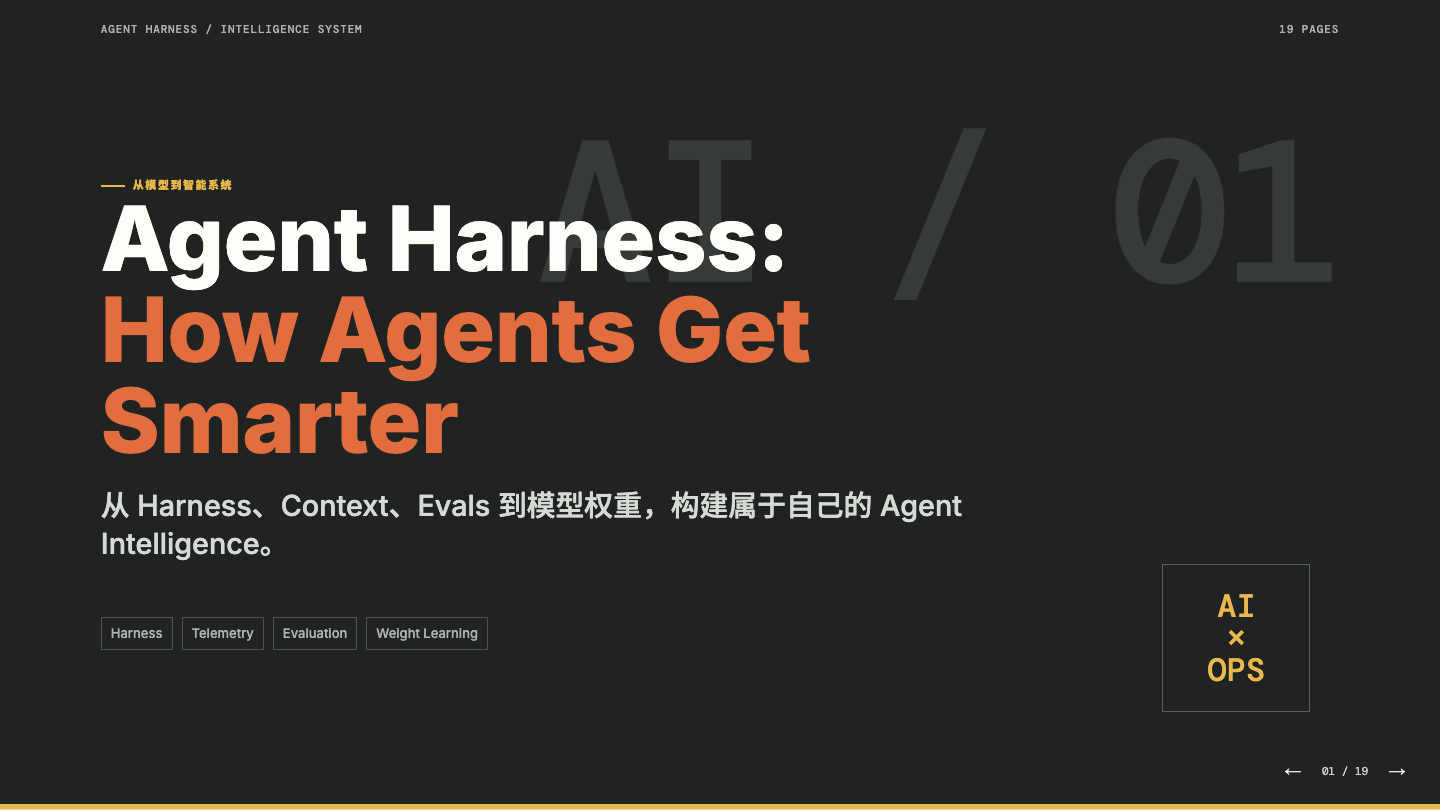
  • Harness engineering for AI-native execution systems
  • Clients with 100M+ GMV, improved AI-driven operating efficiency

XCelsiorAI — CTO / Co-Founder

2024/06 – 2025/01 · AI Productivity
  • AI-native spreadsheet product — LLMs prompted directly inside Google Sheets & Excel
  • Won 1,000 pilot customers in early product phase

Footprint Analytics — CTO / Co-Founder

2021/10 – 2024/06 · Web3 Data Platform
  • Web3 big data platform indexing 30+ chains for 12k+ analysts and 50+ B2B customers
  • Led 25-person engineering team across platform, data & product
  • PB-scale ETL: Kafka, Flink, Spark, Doris, StarRocks · sub-second API latency
  • Open-source growth: 0 → 12k users

Infigo Technology — IT Manager

2019/01 – 2022/04 · Global Digital Lending
  • Credit scoring AI for Latin America & SE Asia operations
  • Model AUC: 0.63 → 0.79 · KS: 0.21 → 0.34
  • AI lending ops in Mexico, India, China, Colombia

Core Skills

AI / LLM Credit Scoring Anti-Fraud Computer Vision Python TensorFlow / PyTorch FastAPI Node.js Kafka / Flink / Spark Doris / StarRocks MCP Harness Engineering Team Leadership (25p)

Tech Talks & Presentations

🤖 AI / LLM

Anthropic MCP — Model Context Protocol

Open in Google Slides ↗

Navigating the Era of Large Models

Open in Google Slides ↗

📊 Modern Big Data

Big Data 101/102 — Intro

Open in Google Slides ↗

Big Data 201/202 — Parallel Computing

Open in Google Slides ↗

Big Data 301 — Hands-on Spark

Open in Google Slides ↗

Big Data 303 — SQL Technique

Open in Google Slides ↗

Big Data 304 — Spark in Deep (S01)

Open in Google Slides ↗

Big Data 305 — DBT

Open in Google Slides ↗

Big Data 401 — Spark in Deep (S02)

Open in Google Slides ↗

Big Data 402 — Streaming

Open in Google Slides ↗

Blockchain Analytics with Apache Doris — Singapore Meetup

Open in Google Slides ↗

⛓️ On-chain Data Analysis

Web3 Data Analytics Platform — Project Examples

Open in Google Slides ↗

Wallet Profile / Modeling with On-chain Data

Open in Google Slides ↗

Tracking Crypto Cashflow — Stable Coin Example

Open in Google Slides ↗

☁️ Modern Cloud & DevOps (2016–2020)

System Security Status — Security Best Practices

Open in Google Slides ↗

HAProxy Configuration — Load Balancing & Logging

Open in Google Slides ↗

🛠️ Modern Languages & Frameworks (2014–2016)

Golang — Language Overview

Open in Google Slides ↗

Design Patterns in JavaScript — Architecture Patterns

Open in Google Slides ↗

JSConf 2014 Hangzhou — Conference Insights

Open in Google Slides ↗

⚙️ Backend Infrastructure (2013–2015)

Jenkins CI & Unit Testing — Continuous Integration

Open in Google Slides ↗

Backend Development Training — Best Practices

Open in Google Slides ↗

Grunt for Backend — Task Automation

Open in Google Slides ↗

📱 Mobile Development Era (2012–2014)

PhoneGap Basics — Mobile Development

Open in Google Slides ↗

🔄 Modern Development Practices

Git Workflow — Version Control Best Practices

Open in Google Slides ↗

Agile Development — Methodology Overview

Open in Google Slides ↗

Context Engineering

The new skill in AI isn't prompting — it's Context Engineering. As AI agents become mainstream, the difference between a cheap demo and a "magical" agent is the quality of context you provide.

What is Context Engineering?

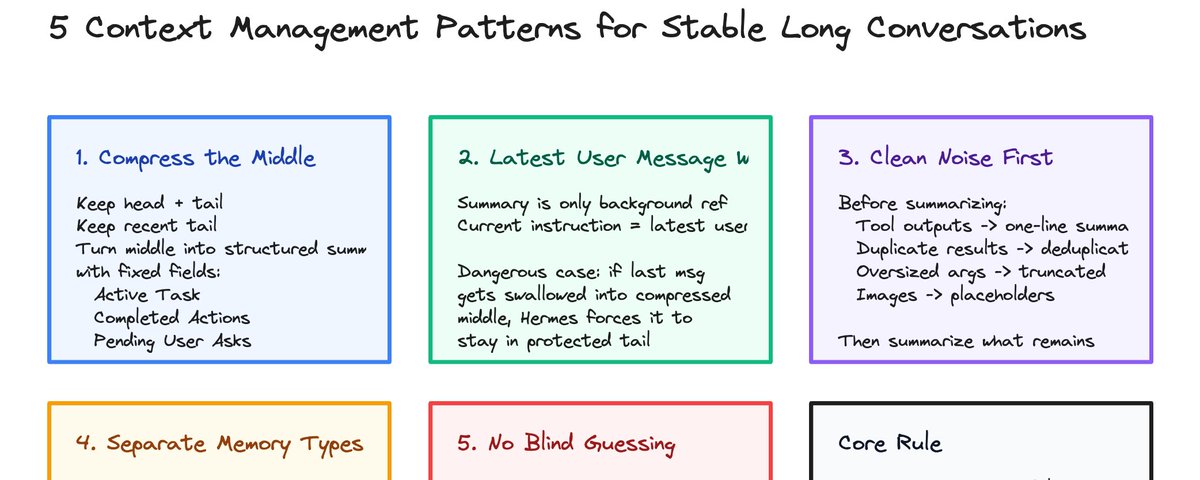
Context Engineering is the discipline of designing and building dynamic systems that provide the right information and tools, in the right format, at the right time, so an LLM can accomplish a task.

Think of it as everything the model "sees" before it generates a response — not just the prompt string, but a complete system output.

What Makes Up "Context"?

  • Instructions / System Prompt — initial behavior definition, rules, examples
  • User Prompt — immediate task or question
  • Short-term Memory — current conversation history
  • Long-term Memory — user preferences, project summaries, persistent facts
  • RAG (Retrieved Info) — external knowledge from docs, DBs, APIs
  • Available Tools — function definitions the agent can call
  • Structured Output — schema definitions for the response format

Prompt Eng vs Context Eng

Prompt Engineering focuses on crafting the perfect instruction string. Context Engineering is a system that runs before the LLM call — it's dynamic, task-specific, and covers both knowledge and capabilities.

Most agent failures today are not model failures — they're context failures. The agent doesn't have what it needs.

Why It Matters for SE / Data People

Imagine you ask an AI: "Check if we have inventory for SKU-123 and send an order confirmation if we do."

A "cheap demo" agent sees only the user message and outputs a robotic reply. A "magical" agent enriches context before calling the LLM: your calendar (shows you're busy), past emails (informal tone), contact list (key partner), and tools like check_inventory and send_email. The output becomes genuinely useful.

For data engineers: context engineering means your data pipeline, schema definitions, and domain knowledge all need to be legible to the AI at the right moment — not dumped as a massive doc, but surfaced dynamically.

Harness Engineering

OpenAI's term for the discipline of designing environments, feedback loops, and control systems that help AI agents accomplish complex, reliable software work at scale.

The Core Idea: Humans Steer, Agents Execute

OpenAI's team built a product with 0 lines of manually-written code. Over 5 months, Codex wrote ~1 million lines across application logic, tests, CI, docs, and tooling — at roughly 1/10th the time it would have taken by hand.

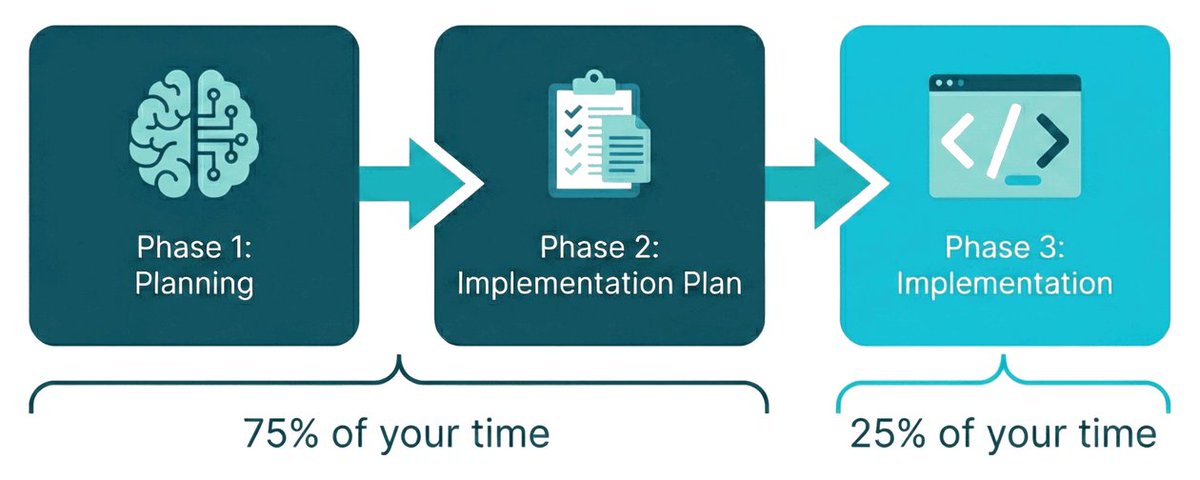
The key shift: engineering work moved from writing code to designing environments, specifying intent, and building feedback loops. Humans steer. Agents execute.

What Broke (and Why)

Early progress was slower than expected — not because Codex was incapable, but because the environment was underspecified. The agent lacked tools, abstractions, and internal structure to make progress.

The fix was almost never "try harder." Instead: "What capability is missing, and how do we make it both legible and enforceable for the agent?"

The Map, Not the Encyclopedia

One big AGENTS.md fails predictably: context is crowded out, everything becomes "important," the file rots, and drift is inevitable.

Instead: a short AGENTS.md (~100 lines) acts as a table of contents. The real knowledge lives in a structured docs/ directory treated as the system of record. Progressive disclosure — teach the agent where to look, don't overwhelm it up front.

Key Patterns from Harness Engineering

Claude Code & Codex in Practice

Both Claude Code and OpenAI Codex are harness engineering tools — they take a repository context and drive a development loop: design → code → review → test → deploy. The quality of your AGENTS.md, docs structure, and feedback tooling determines how effective they are.

For SE/data teams: integrating these tools means investing in documentation hygiene, structured knowledge bases, and fast feedback loops (CI that gives agents signal they can act on).

What This Means for Your Team

Throughput changes merge philosophy: when agent output far exceeds human attention, corrections are cheap and waiting is expensive. Minimal blocking merge gates. Short-lived PRs. Test flakes addressed with follow-up runs.

Human judgment is still required — but it operates at a higher layer of abstraction: prioritize work, translate feedback into acceptance criteria, validate outcomes.